April 26, 2026
3 minutes

April 26, 2026
2 minutes

As crypto adoption grows, the limitations of existing blockchain systems have become more apparent. Networks face increasing pressure to process more transactions, reduce costs, and improve user experience—all without sacrificing security.
This has sparked what many describe as an “infrastructure race,” where different approaches compete to define the future of blockchain systems.
At the center of this competition is a fundamental challenge: scaling.
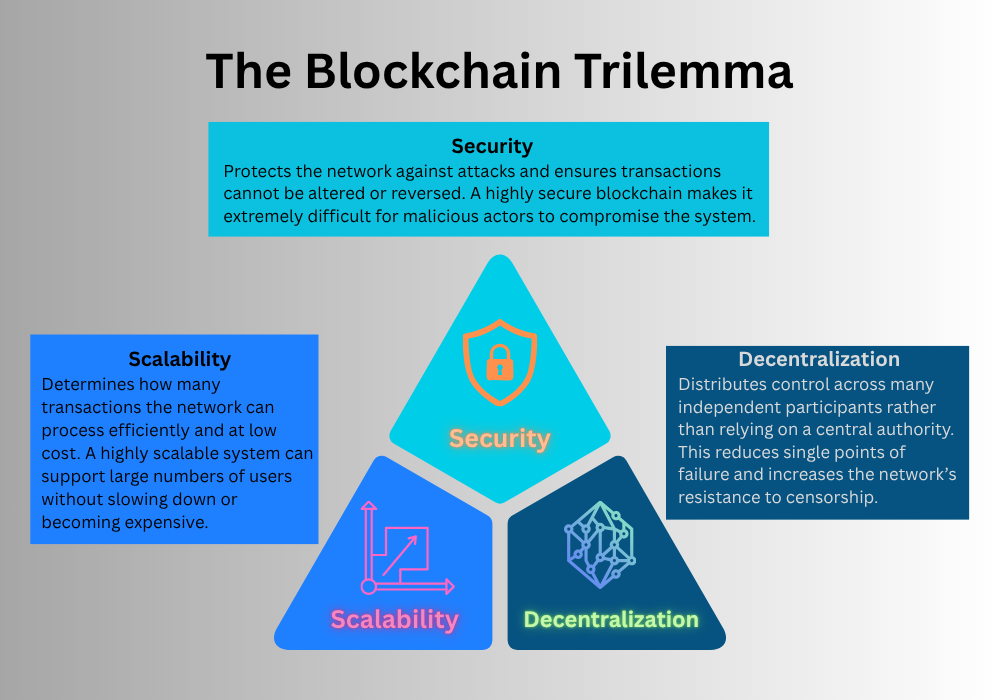
Blockchains must balance three core properties:
Improving one often comes at the expense of another. This trade-off has shaped nearly every major infrastructure decision in crypto.
One of the most prominent approaches to scaling is the use of Layer 2 networks.
Rather than increasing the capacity of the base layer, these systems process transactions separately and then settle them back to the main chain.
This approach allows for:
Layer 2 solutions are now a central part of the infrastructure landscape.
Among Layer 2 approaches, rollups have emerged as a dominant design.
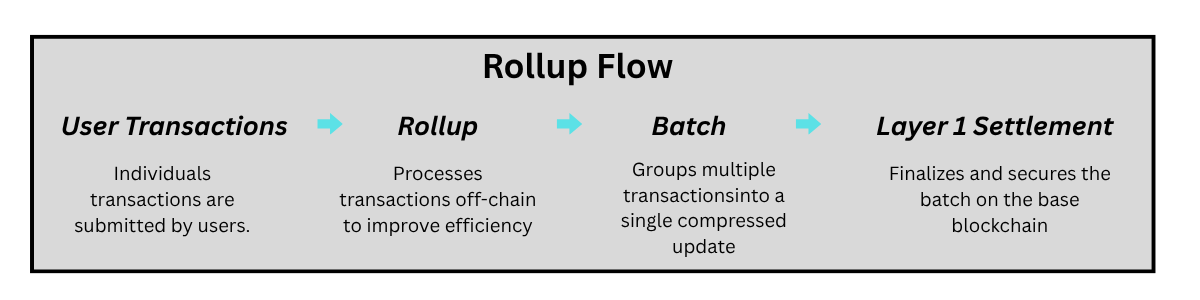
Rollups bundle transactions together and submit them to the base layer as a single unit. This significantly increases throughput while maintaining a connection to the underlying chain’s security.
At the same time, rollups are part of a broader shift toward modular infrastructure, where different layers handle different responsibilities.
This separation allows systems to scale more efficiently while maintaining flexibility.
Different blockchain ecosystems are taking different approaches to infrastructure.
Some focus on scaling the base layer directly. Others prioritize Layer 2 expansion. Still others are building entirely new modular systems.
This has led to a competitive environment where innovation is rapid, but standards are still evolving.
Infrastructure decisions are not just technical—they have direct implications for users, developers, and investors.
They influence:
In many cases, infrastructure choices can determine which platforms gain traction and which struggle to scale.
As the ecosystem matures, infrastructure is likely to become more interconnected.
We may see:
While the exact outcome is uncertain, the direction is clear: infrastructure is becoming more sophisticated and more central to crypto’s evolution.
The future of crypto will not be defined by a single blockchain, but by the infrastructure that connects and scales them.
Understanding these dynamics provides insight into where the ecosystem is heading—and which systems are likely to shape it.